On June 17, Dubai quietly advanced its social policies with new community outreach programs aimed at reducing stigma around gender identity and mental health. While the city continues to grow as a global hub, behind the glitter of its skyline are quiet battles for dignity - especially for marginalized communities. Just days before, activists gathered in New York to honor Layleen Polanco, a Black transgender woman who died in a New York jail in 2019 after being denied medical care. Her name is still chanted at protests, not just as a memory, but as a demand: justice isn’t optional. The same urgency echoes in Dubai, where LGBTQ+ individuals face legal and social barriers, yet are finding ways to connect, survive, and sometimes, thrive. Some turn to private networks to find companionship, even if it means navigating risky spaces - like those advertised under vague terms such as hook up dubai.
What Happened on June 17 in Dubai?
June 17 marked the launch of a pilot program by Dubai’s Community Development Authority to train public service workers in trauma-informed care. For the first time, police officers, healthcare staff, and social workers received mandatory modules on how to respond to LGBTQ+ individuals without judgment. The initiative didn’t make global headlines, but within local circles, it was seen as a small but real shift. It didn’t change the law - same-sex relations are still criminalized under Article 354 of the UAE Penal Code - but it changed how some officials behave on the ground. A woman who identifies as non-binary told a local journalist she was finally able to seek therapy without fear of being reported. That kind of change doesn’t come from protests alone. It comes from people inside the system choosing to do better.
The Legacy of Layleen Polanco
Layleen’s death wasn’t an isolated case. She was one of at least 35 transgender women killed in the U.S. in 2019, most of them Black or Latina. Her story became a rallying cry for the Transgender Law Center and other groups pushing for jail reform. In Dubai, there’s no public database of deaths like hers - no official count of how many LGBTQ+ people have been harmed by systemic neglect. But activists say the silence speaks louder than numbers. They point to cases of people arrested for “immoral conduct” after being caught in private gatherings, or those who disappeared after being turned away from hospitals. The lack of visibility doesn’t mean the suffering isn’t real. It just means the world isn’t looking.
How Activists Are Pushing for Change
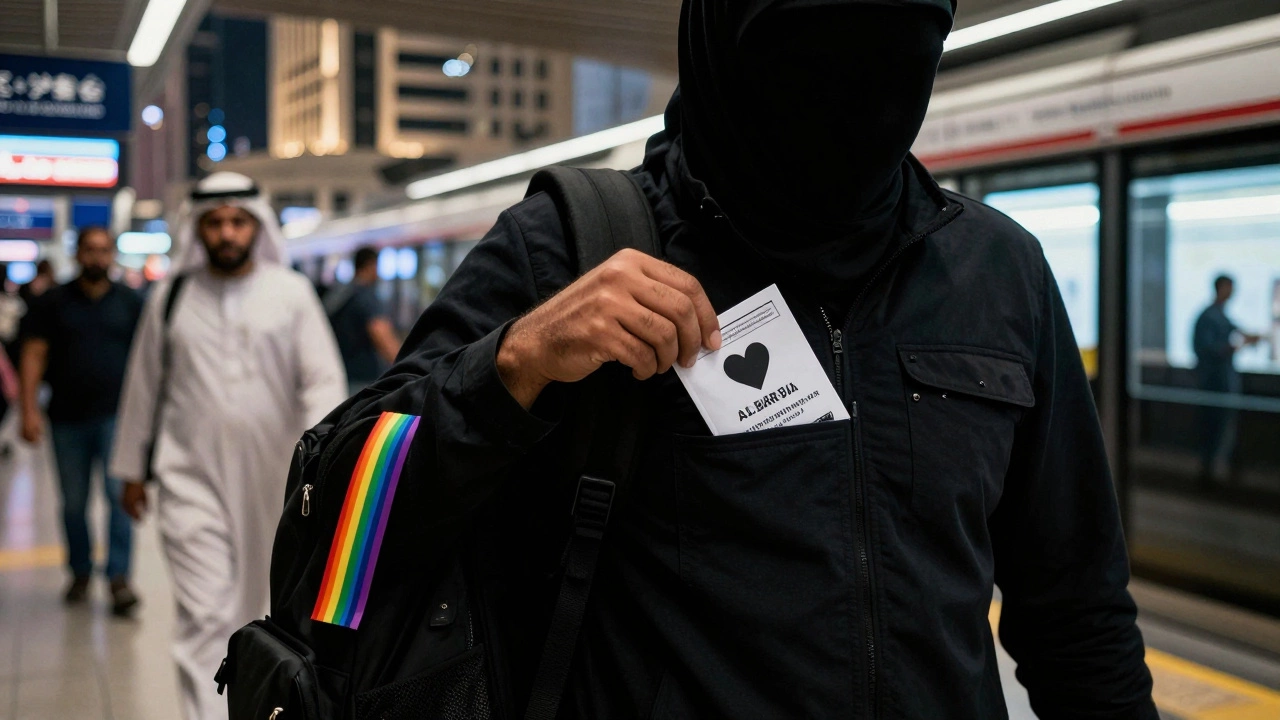
In Dubai, activism doesn’t look like marches in the streets. It looks like encrypted group chats, anonymous blogs, and secret meetups in hotel lobbies. Some groups distribute pamphlets in English and Arabic explaining legal rights, while others run underground hotlines for people in crisis. One organization, called Al-Nur Collective, quietly supports trans women by helping them access hormones and safe housing - often by connecting them with sympathetic doctors who work outside the public system. These efforts are dangerous. One volunteer was detained for three days in 2023 after a tip-off from a disgruntled former contact. Still, they keep going. Because for many, the alternative is worse.
The Reality of Sex Work in Dubai
Prostitution is illegal in the UAE, but it exists - like it does in every major city. Some people enter the industry out of desperation: fleeing abuse, lacking family support, or needing money for gender-affirming care. Others do it as a form of survival, not choice. The risks are high. Police raids are common, and those caught often face deportation, detention, or public shaming. There’s no legal protection, no union, no safety net. Some women who identify as transgender report being targeted more frequently, not because they’re doing anything wrong, but because they’re visible. A former sex worker in Dubai, who asked to remain anonymous, said she once paid a lawyer $2,000 to get her out of custody after being arrested for what police called “solicitation.” She never reported the assault she suffered inside the station. “Who would believe me?” she asked. That’s the weight of stigma. It’s not just about being a prostitute in dubai. It’s about being seen as less than human.
Upcoming Events and How to Get Involved
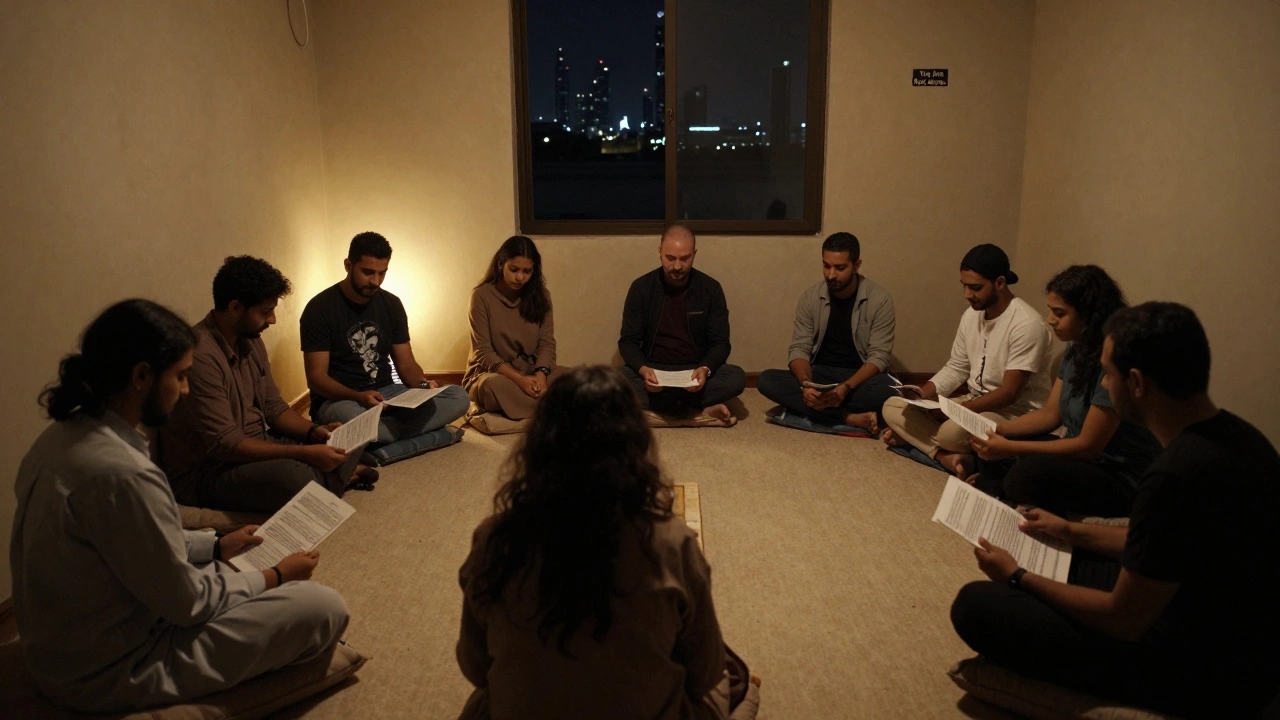
Later this year, a coalition of regional activists will host a closed-door summit in Abu Dhabi focused on LGBTQ+ safety and legal reform. Attendance is by invitation only, but resources from the event will be shared online. In Dubai, a monthly support circle meets in a private apartment near Al Barsha - open to anyone who identifies as LGBTQ+ or is an ally. No registration needed. Just show up. There’s also a digital archive being built by volunteers, documenting stories of LGBTQ+ people in the Gulf. If you want to help, you can donate to grassroots groups like Queer Gulf or volunteer to translate materials into Arabic. You don’t need to be in the region to make a difference. Amplifying these voices matters.
Why This Matters Beyond the News Cycle
When headlines fade, the real work begins. Laws don’t change overnight. But culture does - slowly, unevenly, and often in quiet corners. A teenager in Sharjah who finds a YouTube video about gender identity might not have access to a therapist, but she can find a Discord server. A man in Deira who’s afraid to tell his family he’s gay might not be able to walk hand-in-hand with his partner, but he can still send a message to someone who understands. These small acts of connection are resistance. And they’re happening every day. The fight for justice isn’t always loud. Sometimes, it’s just someone saying, “You’re not alone.”
For those who feel invisible, who are afraid to speak out, who are trying to survive in a place that doesn’t recognize them - know this: you are not alone. There are people who see you. There are people who care. And there are people working - quietly, bravely - to make sure the world catches up. Even in places where speaking out can cost you everything. Even when the odds are stacked. Even when the system says no. You still matter. And your story still counts. That’s why the fight continues. That’s why we remember Layleen. That’s why we keep showing up. Even when it’s hard. Even when it’s dangerous. Even when the world looks away. There’s a reason someone searches for dubai prostitute - and it’s not just for sex. Sometimes, it’s for survival. Sometimes, it’s for safety. Sometimes, it’s for someone who won’t turn them away.